




Can You Make Your Own Colored Smoke Oil? What Pilots and RC Hobbyists Should Know
By on Jun 24th 2026
Colored smoke trails can add a dramatic visual element to airshows, aerobatic displays, skywriting, and RC aircraft demonstrations. The idea sounds simple: add color to smoke oil and run it through a smoke system. In practice, colored smoke oil is more complicated than mixing dye into a bottle.
Aviation smoke systems operate under heat, pressure, airflow, and equipment conditions that are very different from a fog machine, stage effect, or hobby craft project. The wrong fluid can produce weak smoke, clog equipment, stain aircraft surfaces, damage components, or create fumes that are not appropriate for use around people.
This guide explains how colored smoke oil works, why fluid selection matters, and what to consider before using any DIY smoke oil mixture in an aircraft or RC smoke system. For more background on standard smoke systems, see our guide on what aerobatic smoke oil is and how it works.
Need Dependable Performance Without The Risk?
Browse Aviation Smoke OilsWhat Is Aviation Smoke Oil?
Aviation smoke oil is a specialized fluid used to create visible smoke trails during aerobatic flying, airshow demonstrations, and skywriting. In many aircraft smoke systems, the oil is injected into hot exhaust, where it vaporizes and then condenses into a visible smoke plume.
The best smoke oil for aviation use is not the same as fog machine fluid. Fog machine juice is typically water-based and designed for electric heating elements. Aviation smoke oil is usually oil-based and selected for its behavior under high-heat aircraft exhaust conditions.
For white smoke, pilots typically use a clean, low-viscosity oil designed for smoke systems. For colored smoke, dyes or colorants may be used, but that adds more complexity and risk.

Colored Smoke Oil vs. White Smoke Oil
White smoke oil is generally more straightforward. A properly selected aviation smoke oil can produce a thick white trail without added dye. This is why white smoke is common in aerobatic and skywriting applications.
Colored smoke oil is different because the color must survive the heat of the smoke system and remain visible once the plume expands into the air. Not every dye can do this. Some colorants burn off, separate from the oil, stain equipment, or leave residue.
That is why colored smoke should be treated as a specialty application, not a casual modification to standard smoke oil. If your goal is dependable white smoke for aircraft use, start by reviewing purpose-made aerobatic smoke oil options.
Can You Make Your Own Colored Smoke Oil?
Technically, some users attempt to make colored smoke oil by combining a smoke oil base with oil-compatible colorants. However, for aviation use, this should not be treated as a simple DIY project.
Aircraft smoke systems are exposed to high temperatures and rely on consistent fluid flow. Any homemade mixture can affect vaporization, pump performance, nozzle behavior, residue buildup, and aircraft cleanup. Before using any custom mixture, review the smoke system manufacturer’s guidance, the aircraft owner’s requirements, and the Safety Data Sheet for every component involved.
For full-scale aircraft, the safer and more practical approach is to use a purpose-made aviation smoke oil and avoid unverified additives unless they are specifically approved for the system and application.
Why Food Coloring Does Not Work in Smoke Oil
Food coloring is not a suitable option for aviation smoke oil.
Most food coloring is water-based. Smoke oil is oil-based. Since water and oil do not mix well, food coloring can separate and settle in the tank instead of blending evenly with the fluid. Even if it appears mixed temporarily, it is not designed to handle the heat of an exhaust-based smoke system.
Food coloring can also burn off before producing visible color, leaving behind weak white smoke, residue, or unwanted buildup. For aircraft and RC smoke systems, food coloring should be avoided.
Why Fog Machine Fluid Is Not a Substitute
Fog machine fluid and aviation smoke oil are built for different systems.
Fog machine fluid is usually designed for indoor or stage fog machines that use controlled heating elements. Aviation smoke oil is designed for aircraft or RC smoke systems that operate under different heat and flow conditions.
Using fog fluid in an aircraft smoke system can result in poor smoke production, inconsistent vaporization, and possible equipment issues. Buyers should choose a fluid based on the smoke system they are actually using, not just the visual effect they want.
What to Look for in Aviation Smoke Oil
When selecting smoke oil for an aircraft or RC smoke system, focus on the fluid’s suitability for the equipment and application.
Important factors include:
- Smoke system compatibility: Use a fluid appropriate for the aircraft or RC smoke system.
- Low viscosity: The oil should flow properly through the pump, lines, and injection nozzle.
- Clean-burning performance: A cleaner smoke oil can help reduce residue and odor.
- No unnecessary additives: Additives can affect smoke quality, residue, and system behavior.
- Product documentation: Look for available product data sheets and safety data sheets.
- Packaging size: Choose a pail or drum based on how often the smoke system is used.
For pilots, performers, and operators who need dependable white smoke, a purpose-made aviation smoke oil is usually the better choice than a homemade mixture. BlueSky White Lightning Smoke Oil is one example of a low-viscosity aviation smoke oil designed for aerobatic smoke applications.
Colored Smoke Oil and Aircraft Staining
Colored smoke can create cleanup challenges. Any colorant used in a smoke system may increase the chance of staining aircraft surfaces, exhaust areas, hangar floors, trailers, clothing, or nearby equipment.
If colored smoke is used, cleanup should be planned before the flight or demonstration. Residue should be removed promptly according to the aircraft finish, paint system, and maintenance guidance. Letting colored residue sit in direct sun can make staining more difficult to address.
This is one of the biggest practical differences between white smoke oil and colored smoke oil. White smoke oil is generally easier to manage from a cleanup standpoint.
Safety Considerations Before Using Colored Smoke
Colored smoke should not be evaluated only by how it looks in the sky. Safety and compatibility matter more.
Before using any smoke fluid or additive, consider:
- Whether the smoke system manufacturer allows it
- Whether the fluid is appropriate for aircraft or RC use
- Whether the SDS has been reviewed
- Whether the smoke will be used near crowds, runways, hangars, or vehicles
- Whether the colorant may stain aircraft surfaces
- Whether the fluid could affect pumps, seals, hoses, or injection nozzles
- Whether the event, airport, or local authority has restrictions
For public displays, additional requirements may apply. Operators should confirm the rules before using smoke effects in front of spectators.
Smoke Oil in Airshows and Skywriting
Smoke oil has a long history in aviation displays, from aerobatic performances to skywriting. The purpose is not only visual impact. Smoke can also help spectators follow aircraft movement, formations, and flight paths during a performance.
For more context on how smoke fits into aviation display history, see The Making of Modern Day Air Shows and Whatever Happened to Skywriting.
When Purpose-Made Smoke Oil Makes More Sense
For most aviation users, the better decision is to use a purpose-made aviation smoke oil instead of trying to build a custom fluid. A dedicated smoke oil is designed to produce consistent smoke, flow properly through the system, and support cleaner operation.
This is especially important for full-scale aircraft, where equipment compatibility and surface cleanup matter. RC hobbyists may have more flexibility, but they should still follow the smoke system manufacturer’s fluid recommendations.
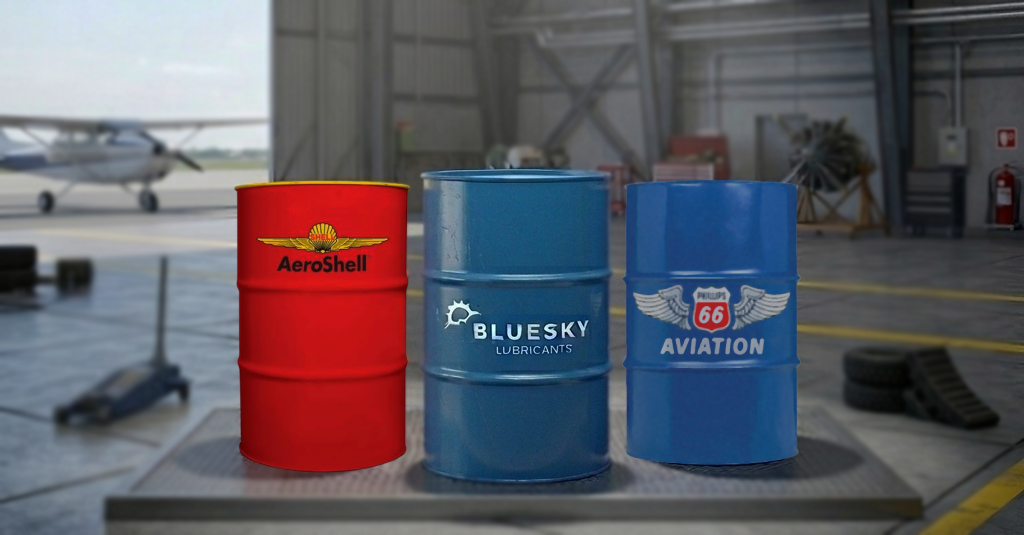
BlueSky White Lightning Smoke Oil is a low-viscosity paraffinic oil with no additives and is available in package sizes suited for both smaller users and higher-volume applications. You can compare available options from AeroShell, Phillips 66, and BlueSky Lubricants in our aerobatic smoke oil category.
Final Thoughts
Making colored smoke oil is not as simple as adding dye to smoke oil. The fluid must be compatible with the smoke system, handle high heat, flow properly, produce visible smoke, and avoid unnecessary residue or staining.
For experimental or RC use, buyers should follow equipment guidance and review all product documentation before using any custom mixture. For full-scale aviation use, a purpose-made aviation smoke oil is usually the more practical and responsible choice.
Colored smoke can look impressive, but the fluid behind it needs to be selected carefully. The right smoke oil helps support consistent performance, easier cleanup, and fewer avoidable equipment issues.
Stock Up on Aerobatic Smoke Oil Today
Explore certified fluids from trusted brands like BlueSky, AeroShell, and Phillips 66.
Available in multiple packaging variants from individual pails to bulk drums.