




The Aircraft Engine Break-In Blueprint: Straight Mineral Oil vs. Ashless Dispersant
By on Jun 5th 2026
The Aircraft Engine Break-In Blueprint: Straight Mineral Oil vs. Ashless Dispersant
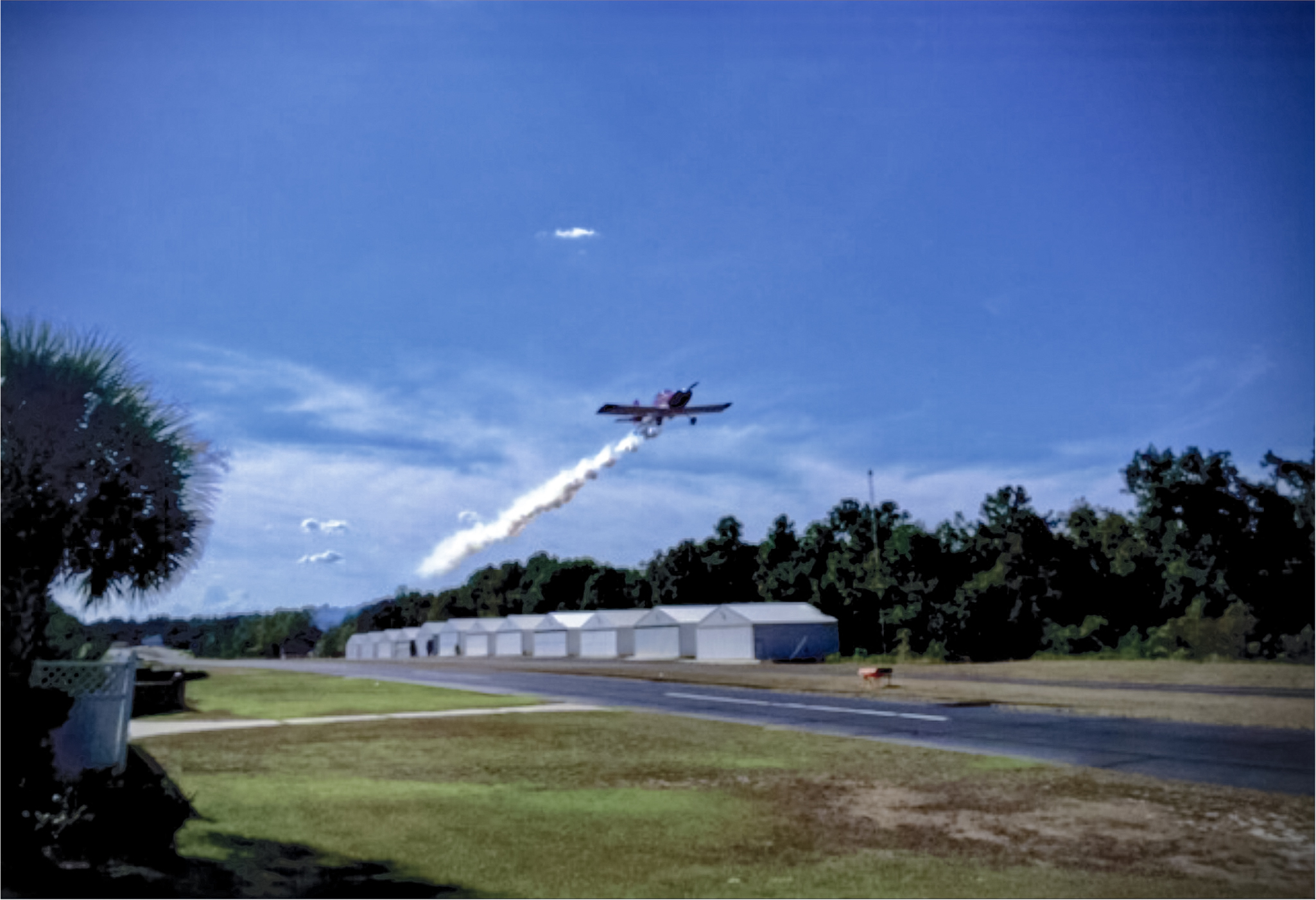
Bringing a new or newly overhauled aircraft piston engine into service requires strict adherence to a specific lubrication timeline. Unlike automotive engines, which arrive pre-broken from the factory, an aviation piston engine undergoes its critical final mating process in the air during its first few dozen hours of flight.
The choice between aviation straight mineral oil and ashless dispersant (AD) oil dictates whether an engine achieves a long, efficient operational life or suffers from premature cylinder failure.
Ready for Your Next Oil Change?
Find the exact engine oils specified for your aircraft.
The Physics of Piston Ring Seating
During an engine overhaul or manufacturing process, the cylinder walls are intentionally machined with a cross-hatch pattern known as honing marks. The objective of the break-in period is to allow the outer edge of the piston rings to rub against these microscopic ridges, wearing down both surfaces until they create a perfectly airtight, liquid-tight seal.
To achieve this controlled wear, a specific amount of friction is necessary.
Straight Mineral Oil (SAE J1966): This oil contains no dispersant or anti-wear additives. It provides basic lubrication to protect bearings while allowing enough friction between the rings and the cylinder walls to let them wear into each other.
Ashless Dispersant Oil (SAE J1899): This oil contains additives that keep engine debris suspended in flight so it can be trapped by the oil filter. It also features a much higher film strength. If used too early, this high film strength prevents the rings from making direct contact with the honing ridges, halting the wear process entirely.
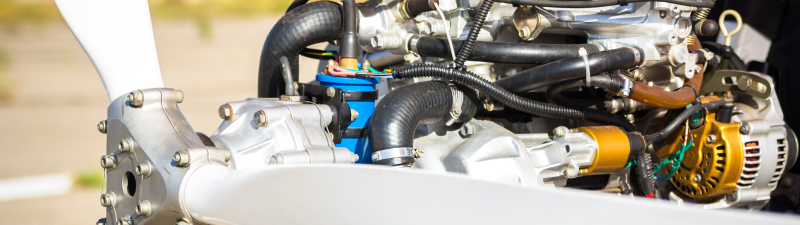
Want to see how it works in real-time? Head over to our Piston Ring Seating Simulator to test out different break-in steps and watch those honing ridges flatten for yourself.
Manufacturer Directives: Lycoming vs. Continental
Aviation oil selection must follow the specific service bulletins issued by the engine manufacturer. Mistiming the fluid transition can void warranties and compromise engine performance.
Normally Aspirated Engines
For standard, naturally aspirated engines from both Lycoming (Service Instruction 1014P) and Continental (Service Information Letter SIL99-2), non-dispersant straight mineral oil is the mandatory fluid for initial operation. The engine must run on this oil for the first 25 to 50 hours, or until oil consumption stabilizes. Only after the consumption curve flattens should you drain the system and fill it with an AD oil like AeroShell Oil W100 or Phillips 66 X/C 20W-50 Engine Oil.
Turbocharged Engines
Turbocharged engines present an exception due to extreme thermal environments. Lycoming dictates that all turbocharged engines must be broken in using ashless dispersant oil right from hour one. The high operational temperatures of turbochargers will rapidly cook and carbonize straight mineral oil, leading to clogged oil passages and bearing starvation.
Preservative Oils
Some engines are delivered from the factory with a specialized preservative oil installed (conforming to MIL-C-6529 Type II, such as those found on our general AeroShell Aviation Lubricants page). This is designed for temporary storage and rust mitigation. It must be completely drained and replaced after the first 25 hours of operation, using straight mineral oil to complete the break-in if the rings have not yet seated.
Lubricant Properties Comparison
| Property / Feature | Straight Mineral Oil (SAE J1966) | Ashless Dispersant Oil (SAE J1899) |
|---|---|---|
| Primary Additives | None (Pure base stock) | Polymeric dispersants, anti-wear agents |
| Film Strength | Moderate (Allows controlled wear) | High (Prevents metal-to-metal wear) |
| Sludge Management | Minimal (Deposits can settle if left too long) | High (Suspends particles for filtration) |
| Standard Application | First 25 to 50 hours of a new engine | Normal operational life after break-in |
| Typical Product Choice | AeroShell Oil 100, Phillips 66 Type M 20W-50 | AeroShell Oil W100, Phillips 66 X/C 20W-50 |
Frequently Asked Questions
What happens if you use ashless dispersant oil during engine break-in?
In a normally aspirated engine, using ashless dispersant oil too early will prevent the piston rings from abrading against the cylinder walls. The oil film remains intact, the rings fail to seat, and the high combustion temperatures will glaze the cylinder walls with a layer of baked-on oil varnish.
How many hours does it take to break in an aircraft engine?
Most general aviation engines accomplish primary ring seating within the first 10 to 15 hours of flight, provided they are flown at high power settings (65% to 75% power). However, straight mineral oil should be maintained for up to 50 hours, or until oil consumption rates drop and remain completely stable over several consecutive flights.
Can you mix straight mineral oil and ashless dispersant oil?
You should not mix these two categories of oil during the break-in phase. Adding AD oil to a system running straight mineral oil alters the film strength and introduces additives that interrupt the ring-seating process. When the break-in period is complete, perform a clean, hot oil change: drain the straight mineral oil completely, replace the filter, and then fill the engine with fresh ashless dispersant oil.
How do you know when aircraft engine rings are seated?
Two clear indicators signal that the break-in process is complete. First, your oil consumption rate will drop noticeably and stabilize at a consistent level. Second, cylinder head temperatures (CHTs) will drop from their initially elevated break-in levels and normalize across all cylinders, indicating reduced friction within the barrels.
Why do some mechanics recommend changing break-in oil after just 10 hours?
During the first few hours of operation, an engine generates a significant amount of wear-metal particles as the components wear into alignment. Mechanics recommend an early oil and filter change at the 10-hour mark to remove these metallic particles before they can act as an abrasive grinding paste inside your engine bearings. The engine is then refilled with fresh AeroShell Oil 100 or Phillips 66 Type M 20W-50 to finish the seating process.
Your Trusted Source for Aviation Piston Engine Oils
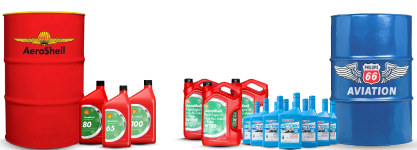
From initial break-in straight mineral fluids to long-term ashless dispersant protection, we stock the industry's leading brands by the case or drum to keep your aircraft running at peak efficiency.