




Lycoming LW-16702 Additive: What It Does, Who Needs It, and Which Oil to Buy
By on Jun 19th 2026
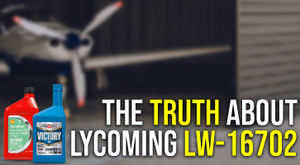
If you own or maintain a Lycoming-powered aircraft, you may have seen references to Lycoming LW-16702 additive when comparing piston engine oils. The short version is this: LW-16702 is an anti-scuff, anti-wear additive package used in certain aviation oils to help protect high-wear engine components, especially cams and lifters.
For most pilots, the practical question is not “How do I add LW-16702 myself?” The better question is: “Does my engine call for it, and which finished aviation oil already contains it?”
At Aviation Oil Outlet, we offer aviation oils with Lycoming LW-16702 additive already blended in, along with oils that do not contain it. This guide explains the difference in plain terms so you can make a smarter oil choice before your next oil change.
What Is Lycoming LW-16702?
Lycoming LW-16702 is an anti-scuff, anti-wear additive associated with specific Lycoming engine oil requirements and service documents. It is used to help protect metal surfaces inside the engine where load, heat, and friction are major concerns.
The area pilots hear about most often is the cam and lifter system. In many aircraft piston engines, these parts can be vulnerable to wear, especially when aircraft sit for long periods or operate in conditions that make corrosion and dry starts more likely.
LW-16702 is not magic, and it does not replace good maintenance. Think of it as one part of the oil’s protective chemistry, designed to support wear protection in engines where Lycoming calls for that additive or an approved finished oil containing it.
Who Needs LW-16702 Additive?
This is where buyers need to be careful. The answer is based on the engine and its approved documentation, not just the airplane model.
A Cessna, Piper, Mooney, Beechcraft, or experimental aircraft may have a Lycoming engine, but that does not automatically mean every oil decision is the same. The correct oil depends on the engine model, service history, operating conditions, break-in status, current Lycoming guidance, and your mechanic’s recommendation.
In simple terms, LW-16702 matters if:
- Your Lycoming engine documentation calls for it
- Your maintenance program references the applicable Lycoming service bulletins or service instructions
- You want a finished oil that already includes the Lycoming-approved anti-wear additive
- Cam and lifter protection is a major concern for your engine
If you are unsure, check the engine logbooks, review the current Lycoming guidance, and ask your A&P or IA before switching oils.
Looking for Oils with Lycoming LW-16702?
Ensure compliance and dynamic wear protection with pre-blended premium oils.
Shop LW-16702 Compliant OilsWhy Does LW-16702 Matter?
Aircraft engines often spend more time sitting than running. That makes corrosion control and wear protection important, especially during startup, when oil has not fully circulated through the engine yet.
LW-16702-containing oils are designed to help address anti-wear and anti-scuff needs. Depending on the oil, the finished formulation may also support rust and corrosion protection, cleaner engine operation, sludge control, and improved cold-start behavior.
That does not mean every aircraft should use the same oil. It means that if your Lycoming engine calls for LW-16702, choosing an oil that already contains it can simplify compliance and reduce guesswork.
Should You Add LW-16702 Yourself?
In most buying situations, no. The cleaner and safer option is to buy a finished aviation oil that is already blended with the proper additive concentration.
Trying to dose a generic oil yourself introduces room for error. Too little additive may not meet the intended requirement. Too much additive may create unknown compatibility or performance issues. Finished oils remove that guesswork because the additive is already part of the approved formulation.
At Aviation Oil Outlet, we focus on ready-to-use aviation oils that are already formulated for their intended application. That is the better path for most owners and operators.
Which Aviation Oils Contain LW-16702?
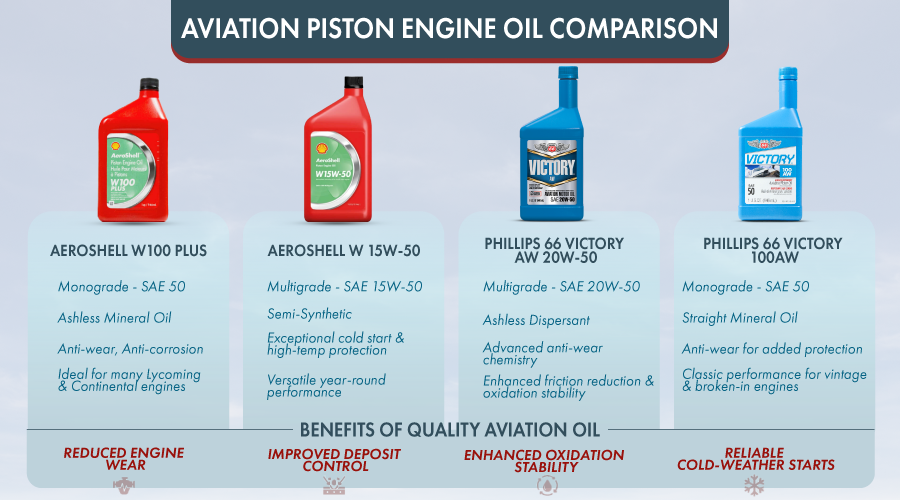
Aviation Oil Outlet offers several oils with Lycoming LW-16702 additive already included.
For single-grade oil, common options include:
- AeroShell Oil W100 Plus
- Phillips 66 Victory Aviation Oil 100AW
For multigrade oil, common options include:
- AeroShell Oil W 15W-50
- Phillips 66 Victory AW 20W-50
Single-grade oils are often used in mild to warm operating conditions when the engine and climate support that choice. Multigrade oils are often preferred by pilots who want easier cold starts, faster oil circulation at lower temperatures, or broader seasonal flexibility.
You can view all available options in our Aviation Oil with Lycoming LW 16702 Additives category.
When Should You Avoid LW-16702 Oils?
Do not choose an LW-16702 oil just because it sounds more protective. Use the oil your engine actually calls for.
Some situations may require a different oil, such as engine break-in, certain cylinder types, automotive engine conversions, or applications where the manufacturer specifies another lubricant. Always check the product data sheet and your engine documentation before switching.
Bottom Line
Lycoming LW-16702 additive is there for a specific reason: anti-scuff and anti-wear protection in Lycoming applications where that additive or an approved finished oil is called for.
For most pilots, the best move is simple. Do not try to mix the additive yourself. Confirm what your engine requires, then choose a finished aviation oil that already contains LW-16702 in the correct formulation.
Aviation Oil Outlet carries both LW-16702 oils and non-LW-16702 aviation oils, so you can choose based on your engine, climate, operating habits, and maintenance guidance.
FAQ
What is Lycoming LW-16702 additive?
Lycoming LW-16702 is an anti-scuff, anti-wear additive package used in certain aviation oils for Lycoming engine applications. It is commonly associated with cam and lifter wear protection.
Do all Lycoming engines need LW-16702?
No. Do not assume every Lycoming engine needs the same oil. The correct answer depends on your engine model, current Lycoming documentation, service history, and mechanic guidance.
Can I add LW-16702 to aviation oil myself?
For most buyers, the better choice is a finished aviation oil that already contains LW-16702. Pre-blended oils reduce the risk of incorrect additive concentration.
Which oils already contain Lycoming LW-16702?
Common options include AeroShell Oil W100 Plus, AeroShell Oil W 15W-50, Phillips 66 Victory Aviation Oil 100AW, and Phillips 66 Victory AW 20W-50.
What is the difference between AeroShell W100 and W100 Plus?
AeroShell W100 is a single-grade ashless dispersant aviation oil. AeroShell W100 Plus includes additional anti-wear and anti-corrosion chemistry, including Lycoming LW16702 additive technology.
Is LW-16702 oil good for cold weather?
If cold starting is a concern, a multigrade oil with LW-16702, such as AeroShell W 15W-50 or Phillips 66 Victory AW 20W-50, may be a better fit than a single-grade oil. Always verify that the viscosity is appropriate for your engine and operating conditions.
Ready to Order?
Explore our comprehensive, fully compliant category of pre-formulated aviation lubricants.
View LW-16702 Additive Category